Where We Work
Where Kuru is making a difference
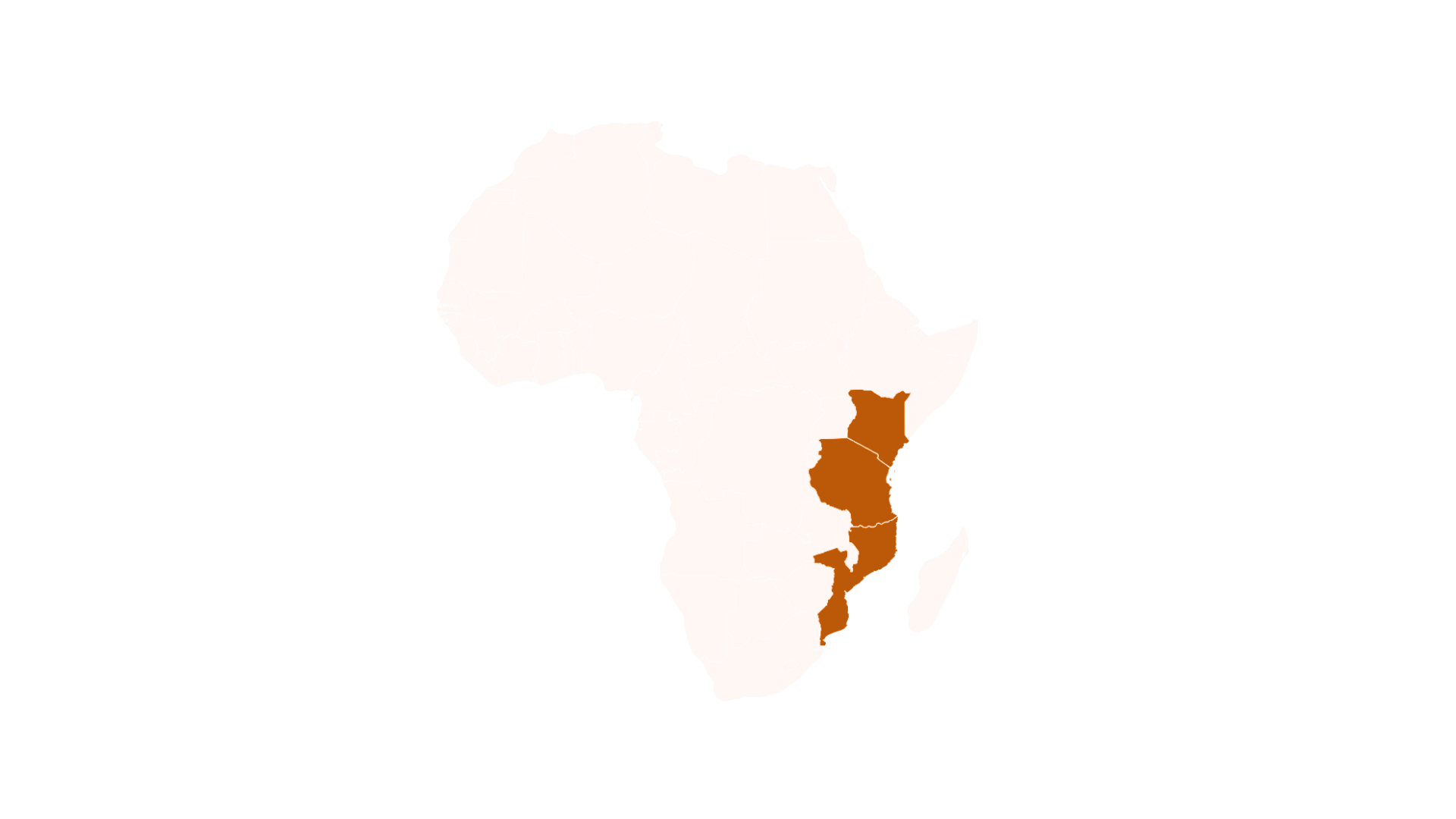
Kuru works alongside wildlife authorities and conservation partners across Africa, building conservation dog units around the needs of each place.
Our home base is in Tanzania, with programs developing in Kenya and Nigeria and continuing support to teams in Mozambique and Uganda.
Every landscape is different. So is every unit.
Tanzania
Active Programs
Tanzania is home to Kuru’s Dog School and the center of our work.
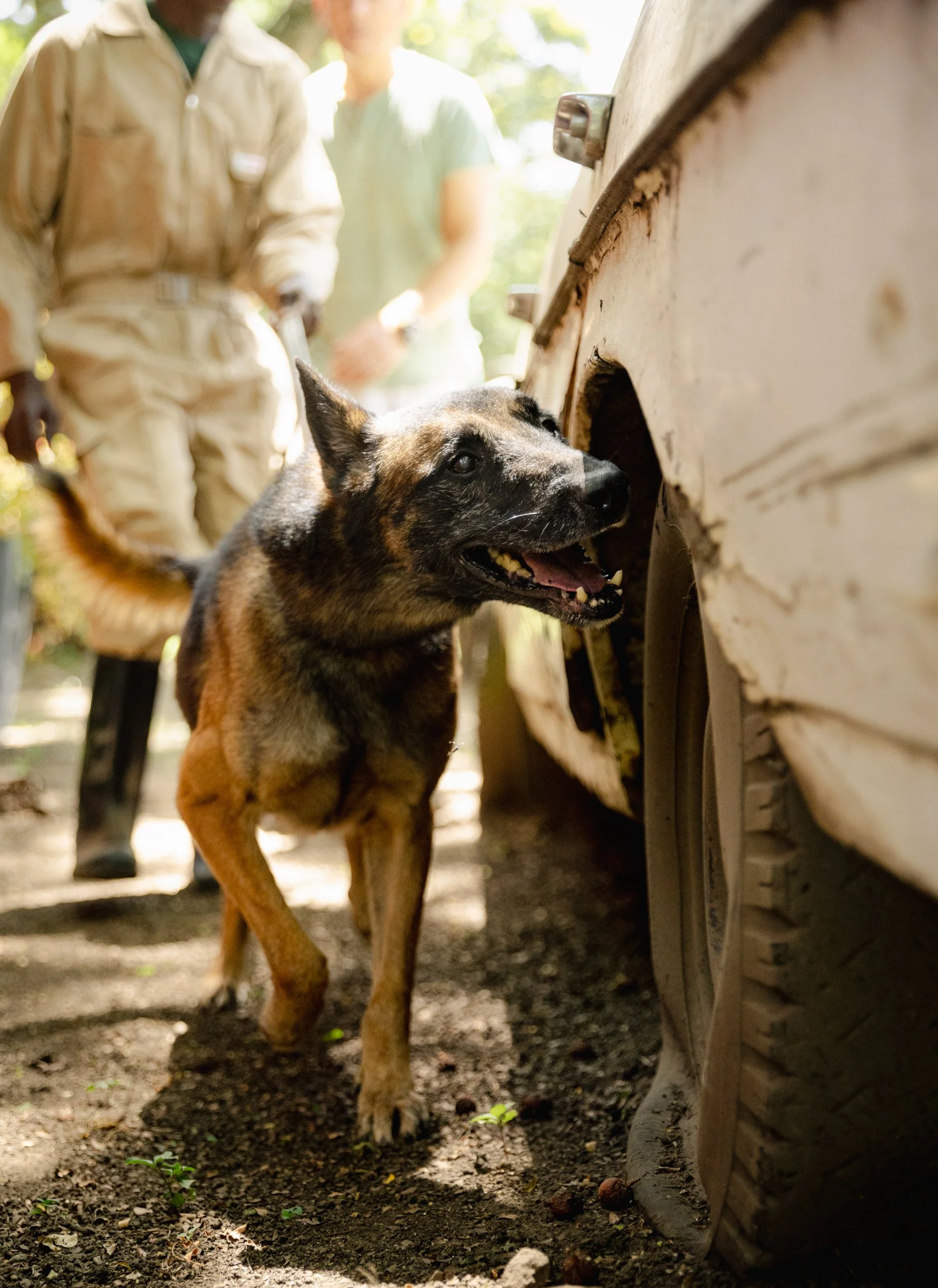
Kuru-trained units support wildlife authorities across national parks, reserves, and international airports — from tracking poachers and finding snares in the bush to detecting illegal wildlife contraband before it leaves the country.
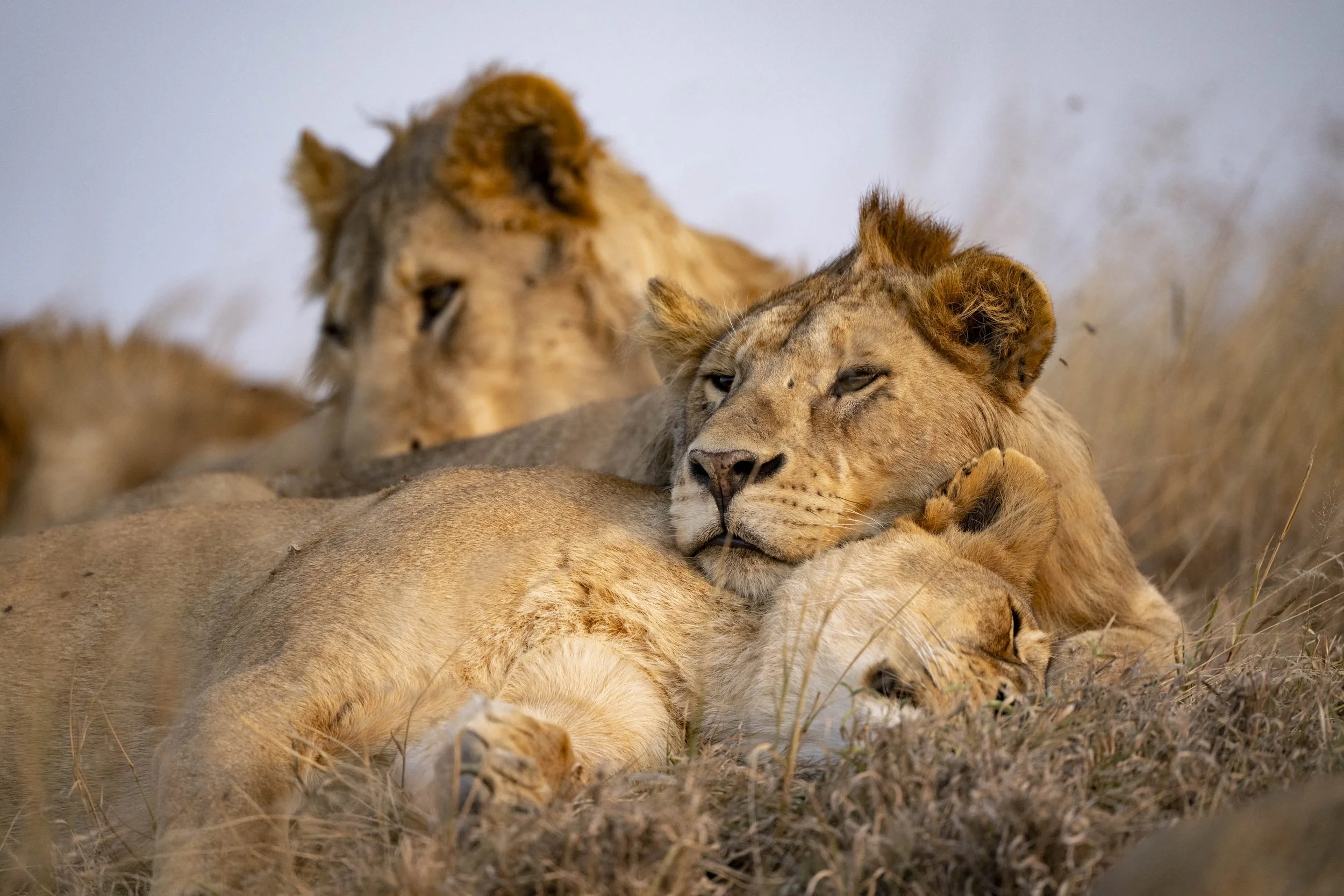
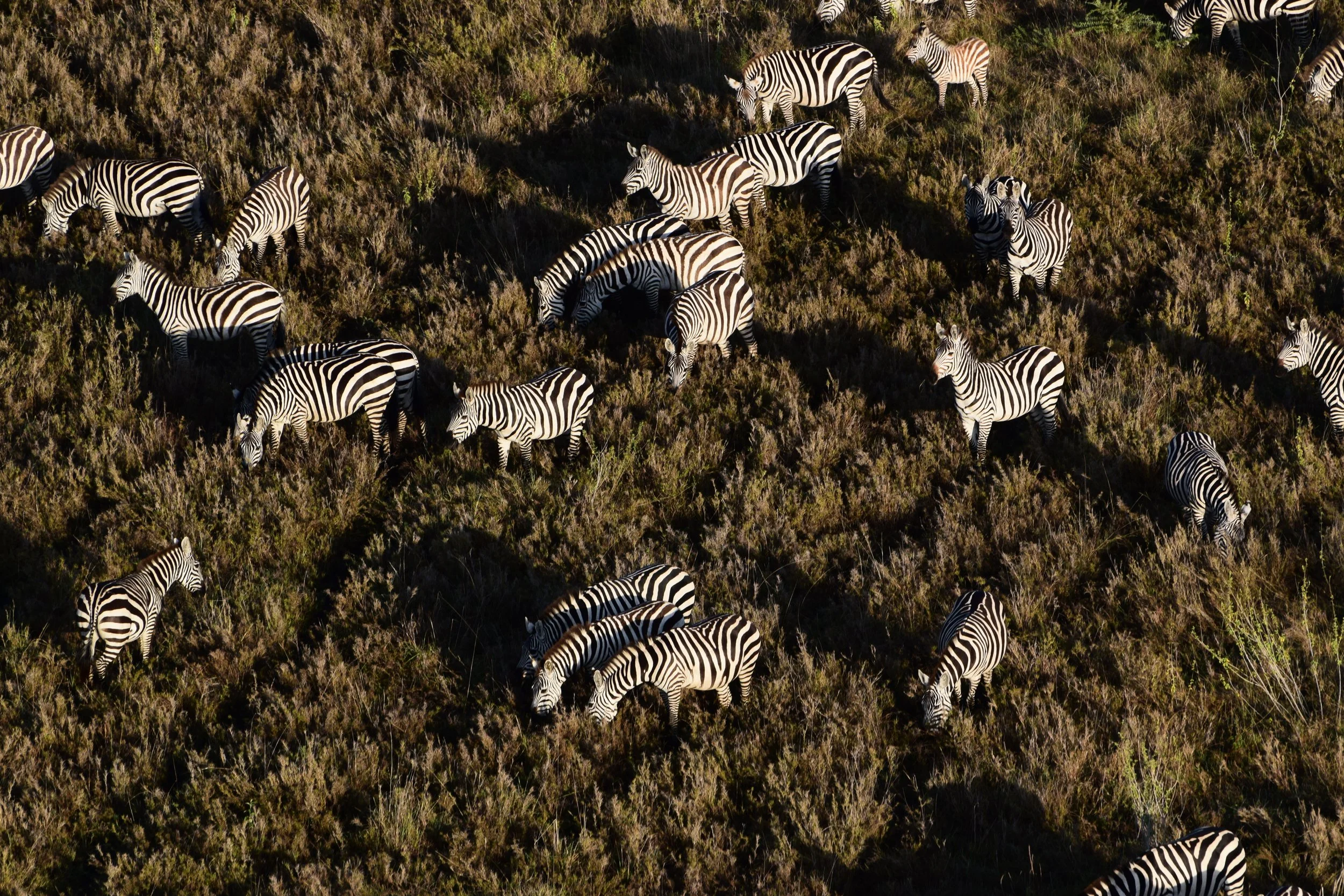
The landscapes these units help protect include some of Tanzania’s most important wildlife habitat and roughly 90% of its wild rhinos.
More than 20 dog teams
working with wildlife authorities across Tanzania.
More than 7.4 million acres
of protected landscape supported by Kuru-trained units.
Roughly 90% of Tanzania’s wild rhinos
live in landscapes where Kuru-trained units work.
Kenya
Developing
Programs
Kuru is working with private landowners in Kenya to develop conservation dog units for private reserves.
Each program begins the same way: understand the need first, then build the unit around it.
Mozambique
Long-term Programs
Kuru’s founder, Will Powell, worked with the Uganda Wildlife Authority (UWA) to establish its detection and tracking dog unit in 2015 during his time working as a contractor for a large conservation NGO.
The dogs and handlers remain in place. Kuru has begun providing veterinary support and technical advice, and as our capacity grows, hopes to support UWA further by strengthening the existing unit and providing new detection dogs.
Uganda
Before Kuru-trained dogs began working at Mozambique's main airport, ivory and rhino horn were being intercepted every six to eight weeks — a steady, predictable bleed of trafficked wildlife.
After Kuru’s founder, Will Powell, began sending working dogs to Maputo International Airport and other key points around 2018, the flow of ivory and rhino horn through the country's airports declined substantially.
Kuru continues to check in on these teams and provide consultation and refresher training where needed.
Impact
90%
of Tanzania's rhinos live in landscapes patrolled by Kuru-trained units.
7.4 Million Acres
of protected landscape supported by Kuru-trained units.
5 Dog Teams
supporting the work of a wider force of 82 other rangers.
We love Africa. We know dogs.
Kuru brings together nearly three decades of working-dog experience with a long-term commitment to conservation in Africa.
We train dogs. We develop handlers. we support the unit.