Tanzania
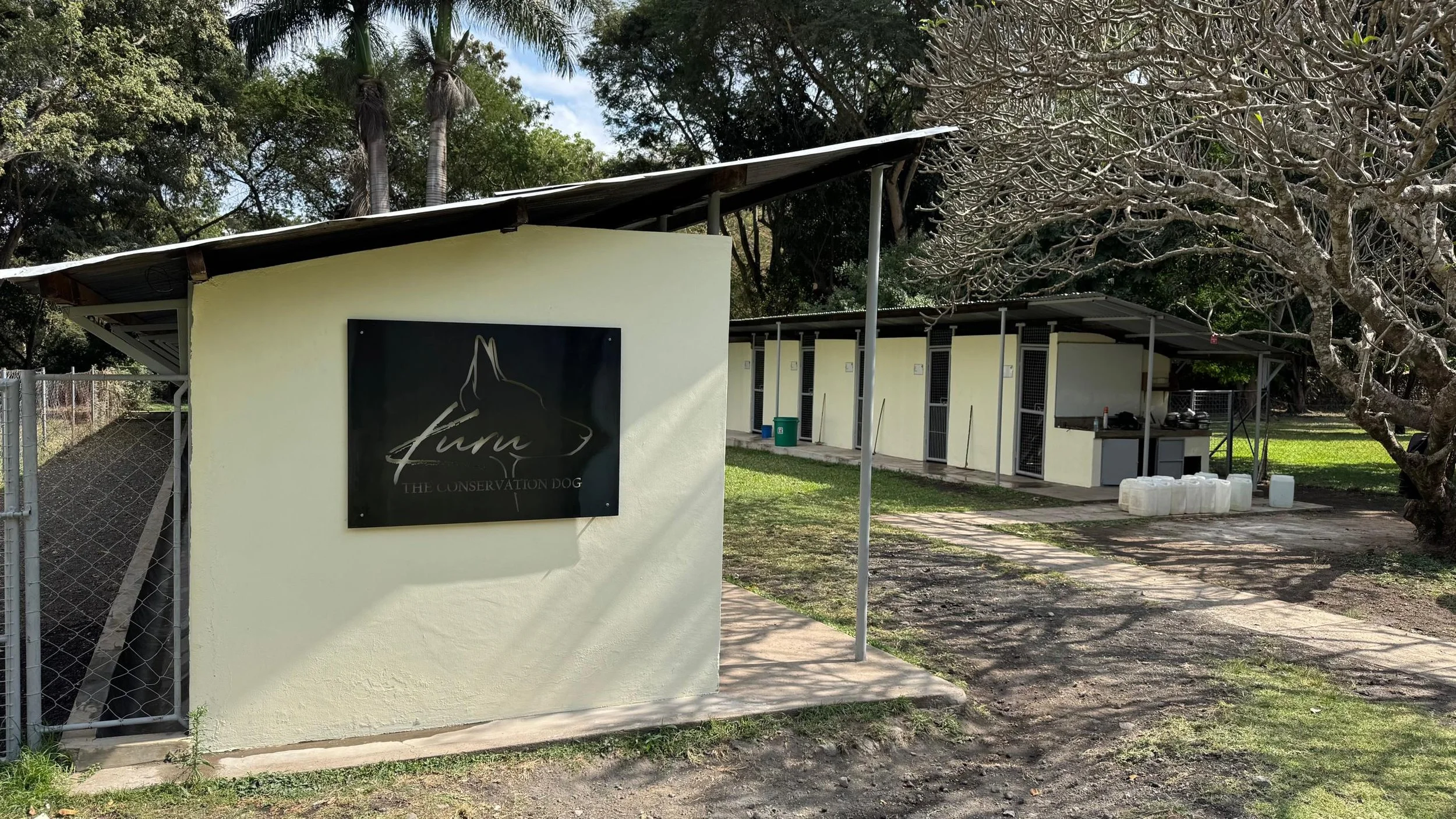
Home to the Kuru Dog School
Northern Tanzania is Kuru’s home base.
From here, dogs are selected and trained, handlers develop their skills, and working units return for refresher training, veterinary care, and support.
It is also where Kuru’s trainers, kennel staff, and field team work every day to keep the dogs healthy, motivated, and ready for the field.
Becoming Kuru
The Dog School
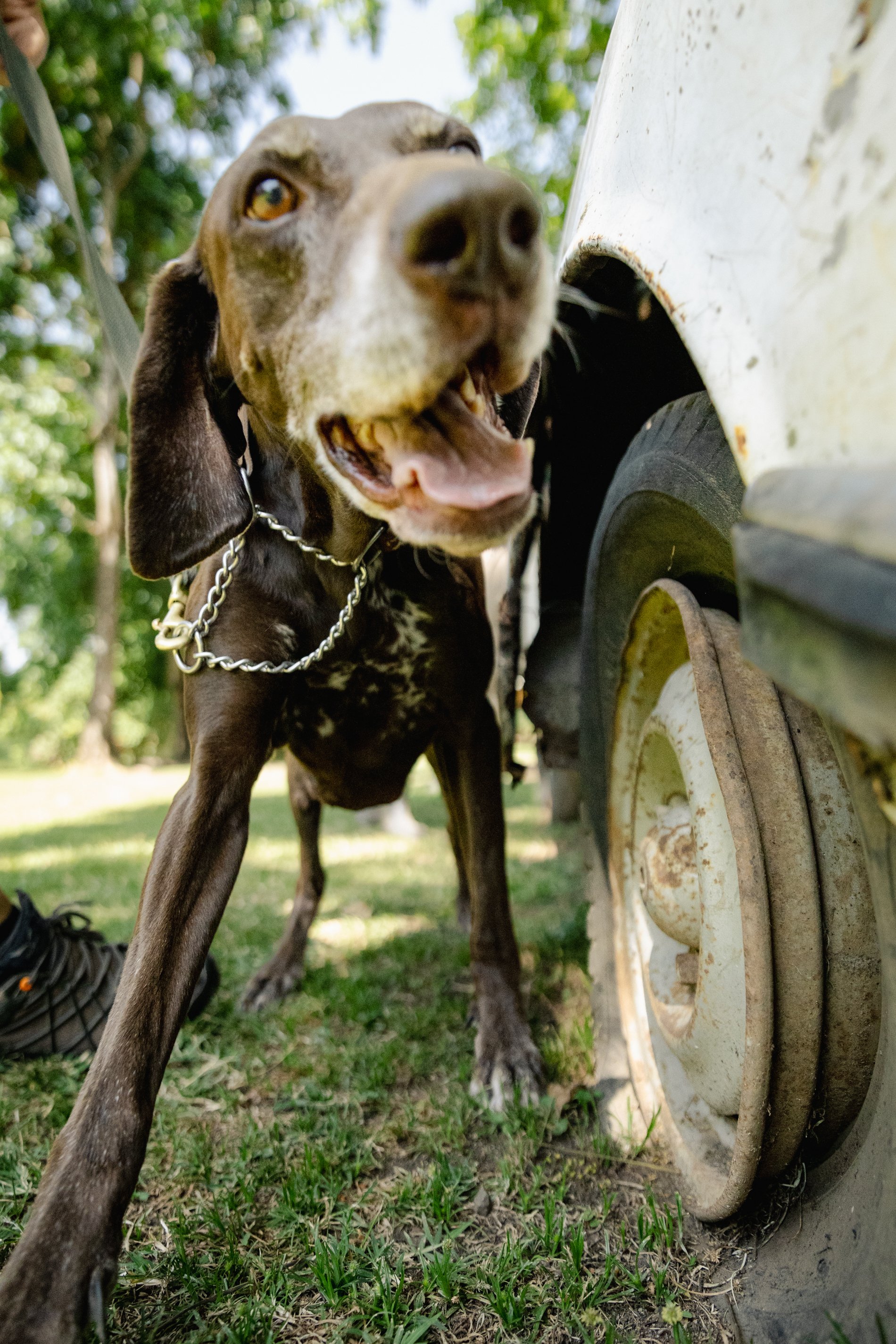
Every Kuru dog and handler passes through the Dog School.
Dogs learn the skills they will need in the field. Handlers, either government-appointed rangers or Kuru-appointed handlers, learn to read, care for, and work with them. Together, they prepare for the conditions they will face — heat, wildlife, vehicles, noise, difficult terrain, and long days.
The School is also Kuru’s training, veterinary and logistics base for the units we support in Tanzania and beyond.
Program Overview
The real measure of a conservation dog unit is what happens after training. Across Tanzania, dogs, handlers, and rangers are working together in very different environments — national parks, private reserves, airports, and communities.
Here are some of their stories.
Stories From the field
Manyara Ranch
When Kuru’s dogs were deployed on the reserve, elephant poaching dropped from 16 in a single year to zero — and stayed there for more than a decade. When the dogs were briefly withdrawn in late 2024, seven elephants were poached in just four months. Their return in February 2025 stopped the killing immediately.
Serengeti
For nearly a decade (2015–2025), a small Kuru-trained unit deterred poaching so effectively that not a single elephant was lost during a park warden's entire nine-year tenure.
Mkomazi National Park
On their very first patrol, Kuru dogs uncovered a major bushmeat camp that had gone undetected by human patrols for months. Since then, Kuru’s dogs continue to remove snares. One dog found 55 wire snares in under two hours. Their work protects one of Tanzania's key black rhino populations.
This is a clear example of what Kuru means by a force multiplier: dogs do not replace rangers. They extend what rangers can do.
Dar es Salaam (IATA) and kilimanjaro (KIA) International Airports
Kuru detection dog units work alongside the Tanzanian Wildlife Management Authority (TAWA) to screen luggage, cargo, and passengers at some of East Africa's busiest transport hubs — intercepting wildlife contraband before it leaves the country.
Our dogs have found ivory, rhino horn, pangolin scales, lion claws, and more. The confiscations deter activity in the Illegal Wildlife Trade.
Donate today
Your donation to Kuru, The Conservation Dog Inc., supports the critical work of Kuru’s independent nonprofit organization in Tanzania, Kuru, Conservation Dog.
Your support helps keep conservation dog units working: training, food, veterinary care and welfare, equipment, handler support, field mentoring, and the long-term follow-up needed throughout a dog’s life.
It also helps Kuru strengthen the Dog School and carefully extend its reach — training more handlers, supporting dogs through retirement, and growing only at a pace that preserves the quality, welfare, and long-term support behind every unit.
Kuru, The Conservation Dog Inc. is an independent U.S. 501(c)(3) nonprofit organization (EIN: 99-3611156). Donations are tax-deductible as provided by law.