Why Dogs
A World we can’t smell
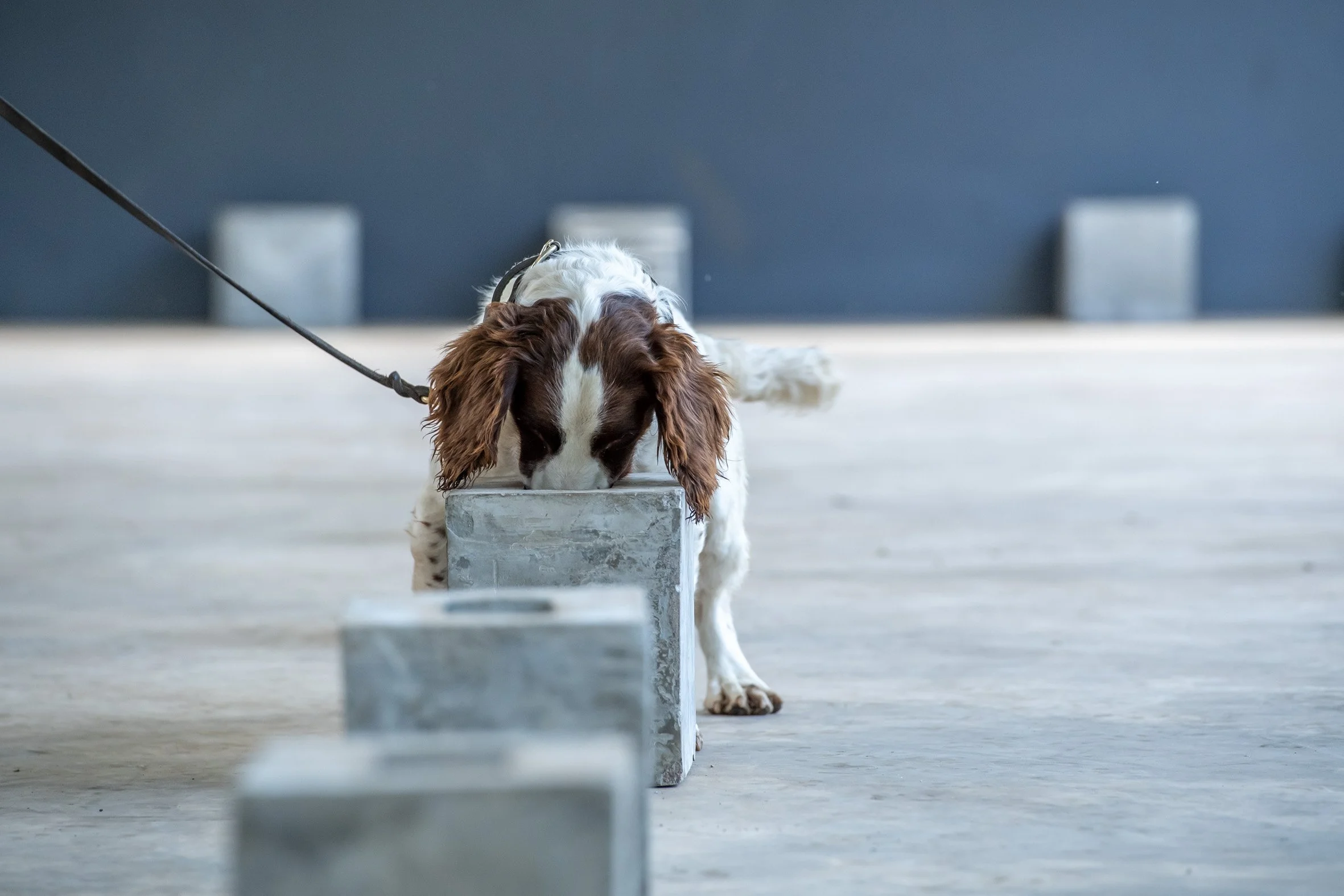
A dog experiences a world of scent we can barely imagine.
A dog's nose is 10,000 to 100,000 times more sensitive than a human's.
Humans have around 5 million olfactory receptors. Dogs can have up to 300 million.
The part of a dog's brain devoted to analyzing scent is about 40 times larger than ours.
Dogs Alone Are Not Enough
The complete System Around the dog
A Lasting Model
Dogs. Training. Partnerships.
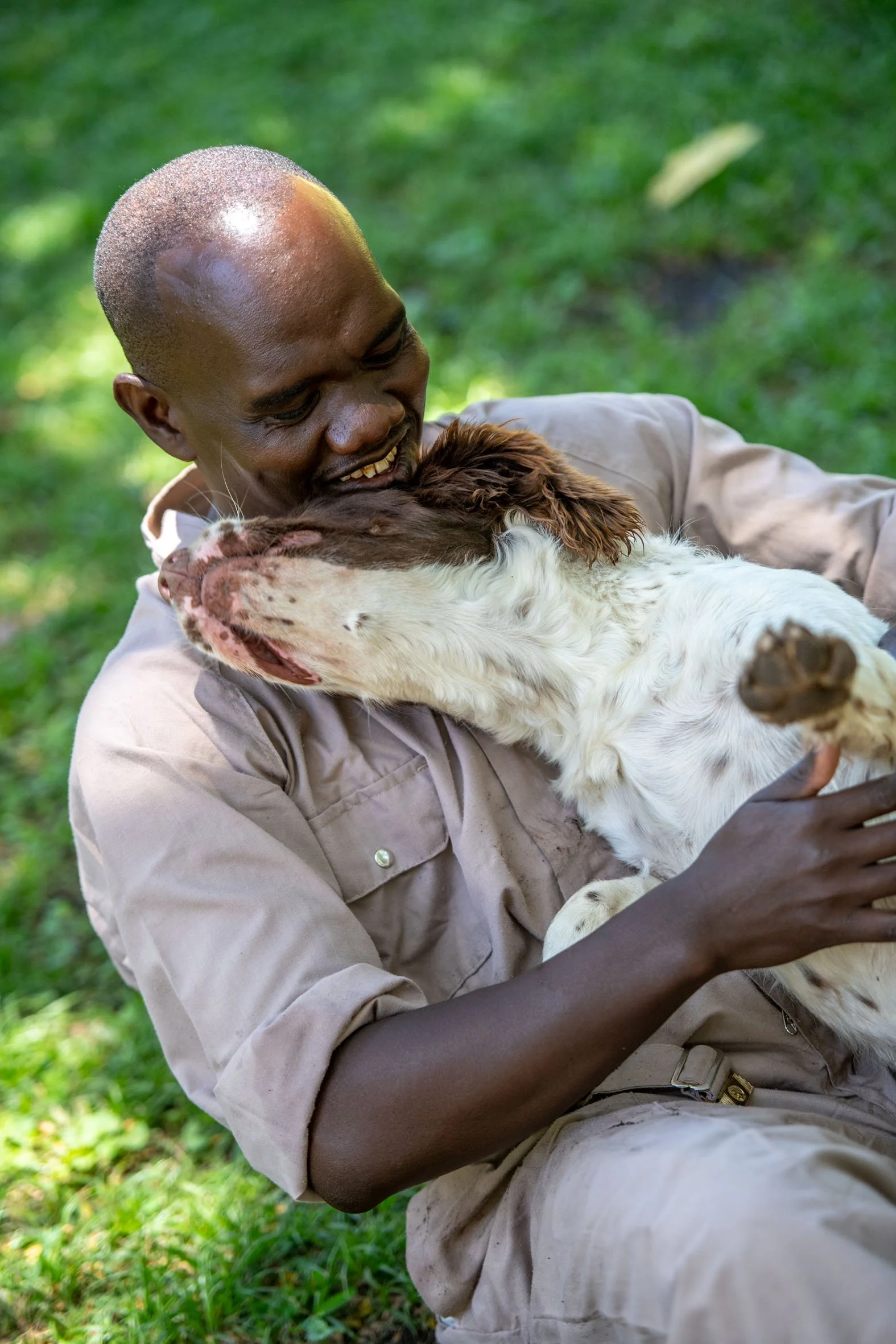
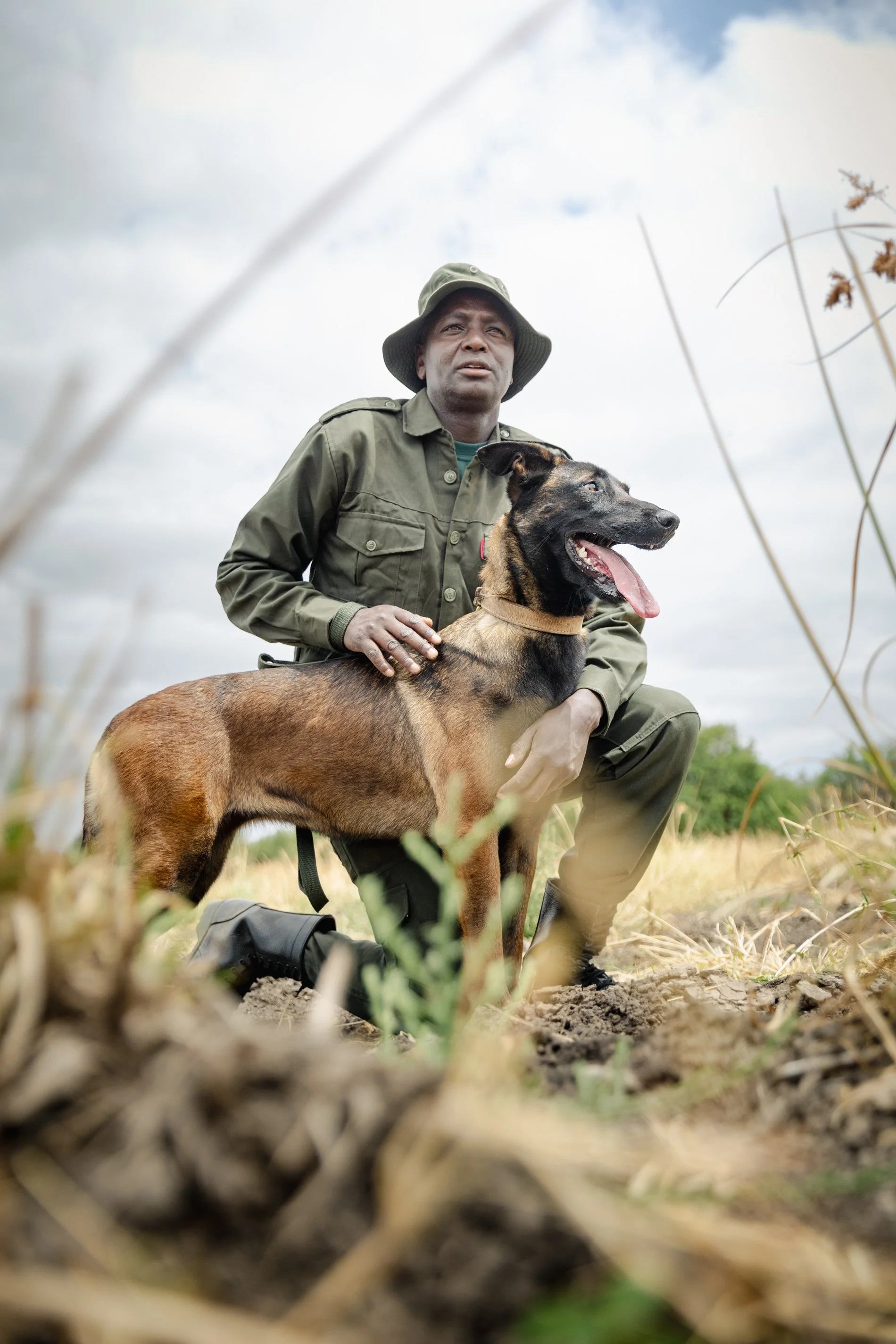
Kuru works with wildlife authorities, governments, and private landowners to build strong local units around the specific needs and priorities of their unique landscapes.
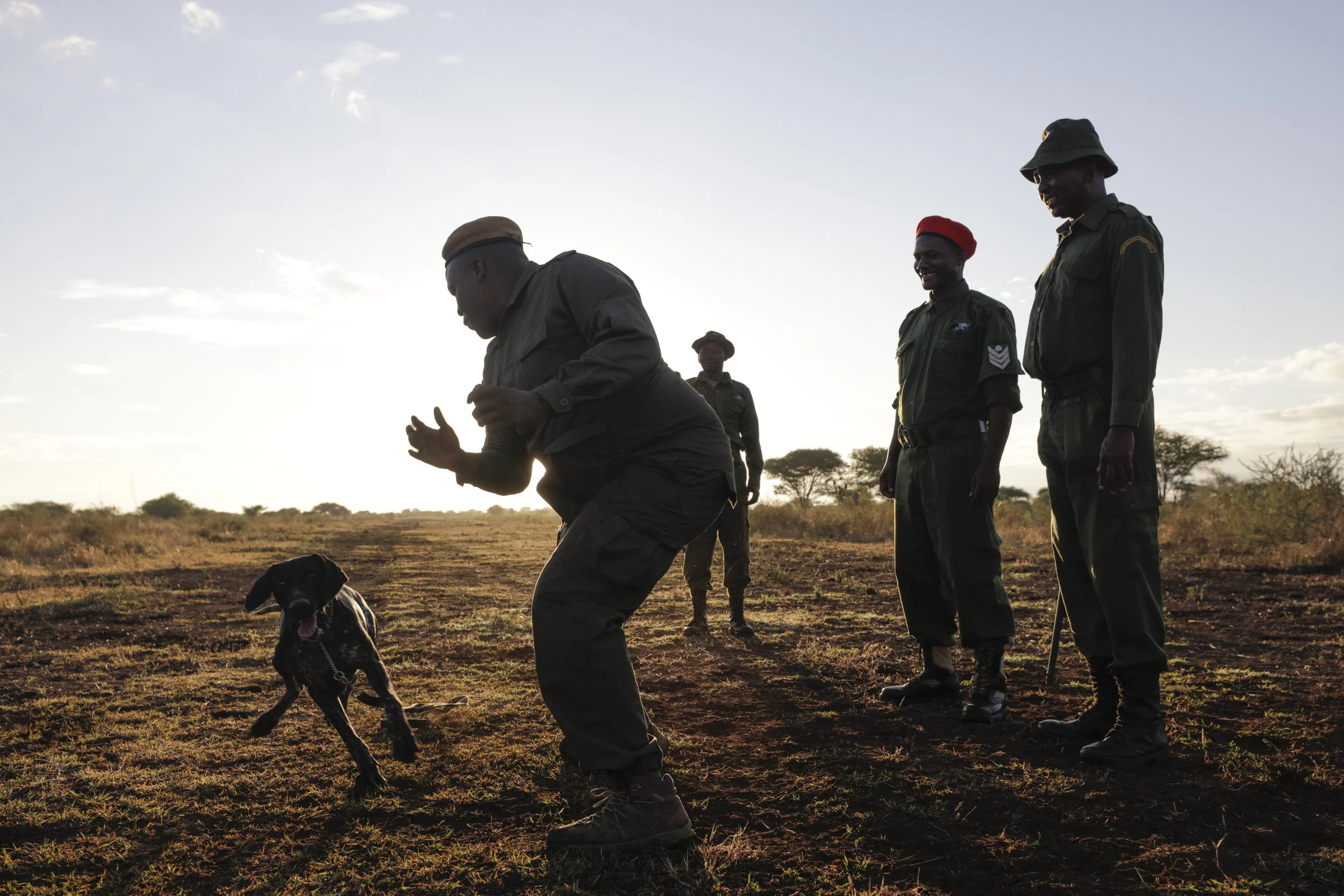
We train dogs, handlers, and rangers to work together, then stay involved with welfare, mentoring, refresher training, and field support throughout the life of the dog.
The goal is not dependency on Kuru, it is a capable local unit built to last.
trained to find
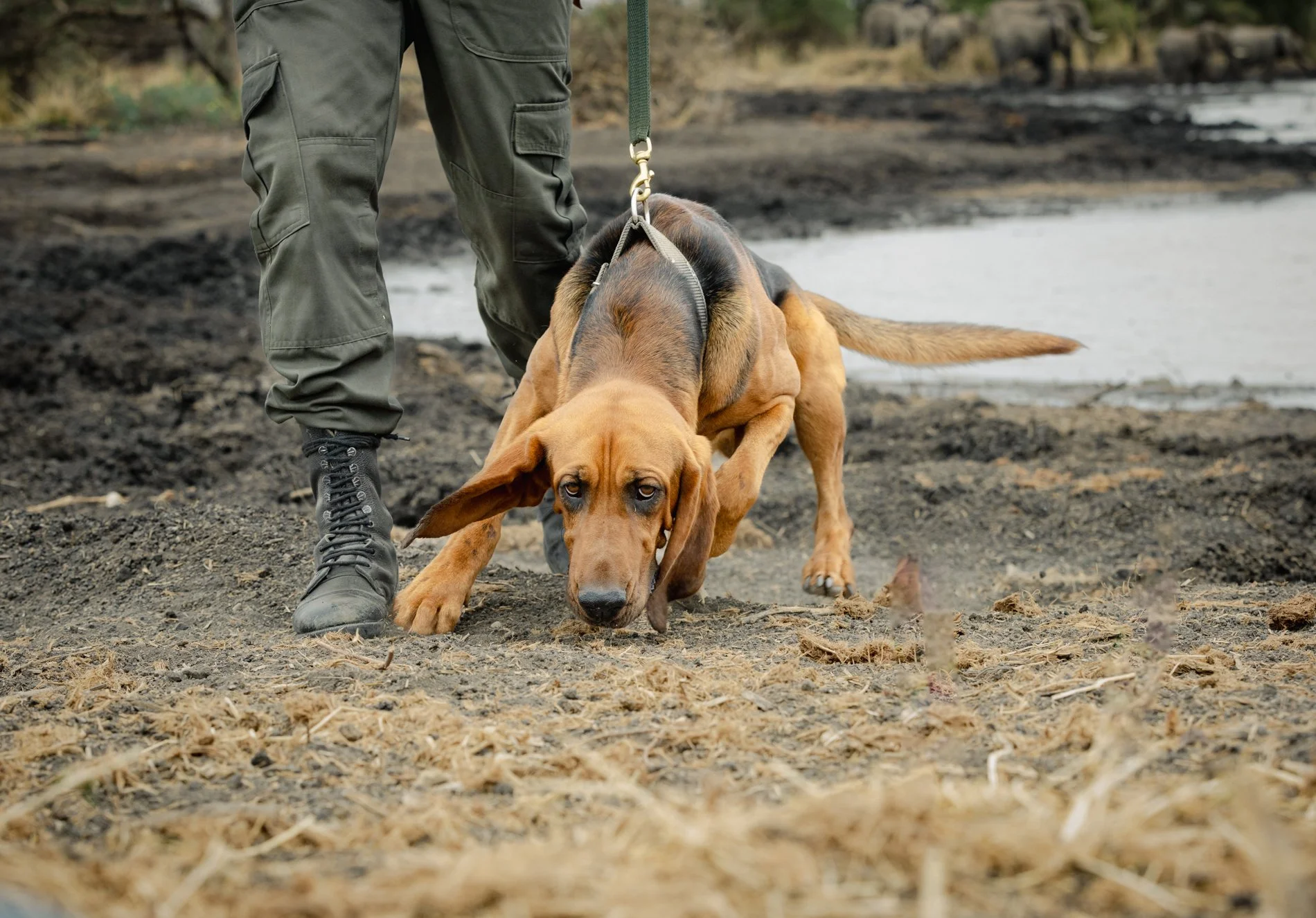
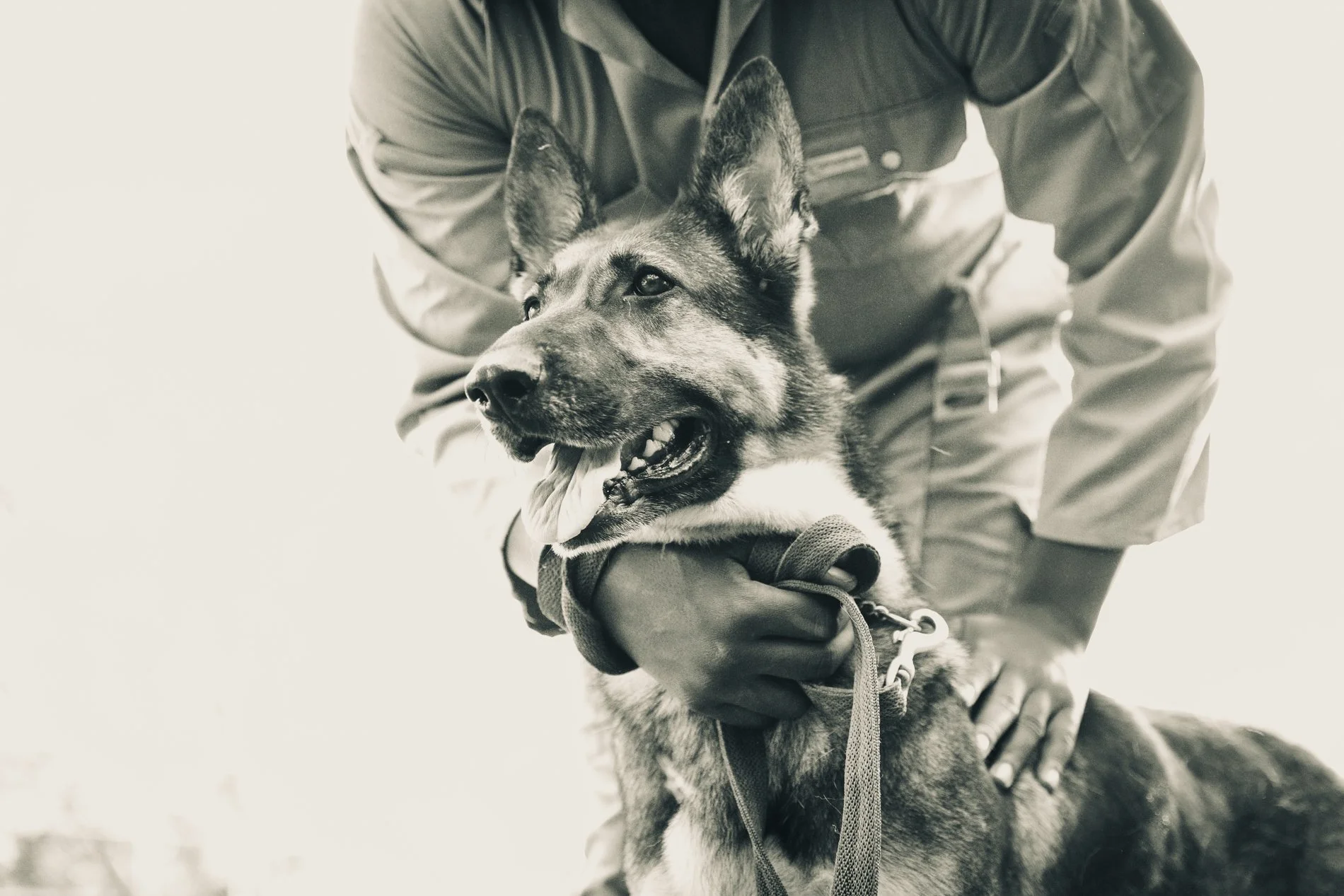
Kuru’s tracking dogs are trained to follow human scent.
Their job is to find the trail and follow it.
The Psychological Shield
Deterrence Matters
Success is not measured only in arrests. The best result is an animal that is never killed.
The presence of a trained tracking unit changes the risk for poachers. Dogs can follow trails long after they have disappeared to human senses, making it much harder to enter a protected landscape and leave unseen.
At Manyara Ranch, elephant poaching fell from 16 elephants per year to zero — and has remained at zero for more than a decade.
We go out into local communities and give demonstrations on the dog team’s capabilities. Someone hides, and the dog finds them.
Poachers see this and choose not to go where our dog teams patrol.
Ripple Effects
Randilin
In 2024, Finn, a Kuru-trained tracking dog working at Randilen Wildlife Management Area, was called in to help search for a missing five-year-old boy.
As night approached and hyenas circled the area, Finn found him.
But the story did not end there. The search helped strengthen trust between the conservation dog team and the surrounding community. Community members now share information with the local team when they see suspicious activity.
It is a reminder that conservation depends on relationships — between dogs and handlers, rangers, and communities who share the landscape with the wildlife.
Our Philosophy
The Kuru Way
Kuru’s ethos and standards set it apart as an industry leader. Giving to Kuru supports a culture of care and excellence.
Care
Dogs and people perform best when they are healthy, confident, and supported.
Respect
We build lasting partnerships with governments, landowners, and communities, grounded in trust and mutual respect.
Quality
We don’t aim to be the biggest program. We aim to be the most trusted.
Roots
We are based in Africa, building practical solutions for African landscapes and conditions.
Collaboration
We actively share ideas and experiences with our conservation partners to advance conservation efforts.
Not Just an Idea
Built From Decades In The Field
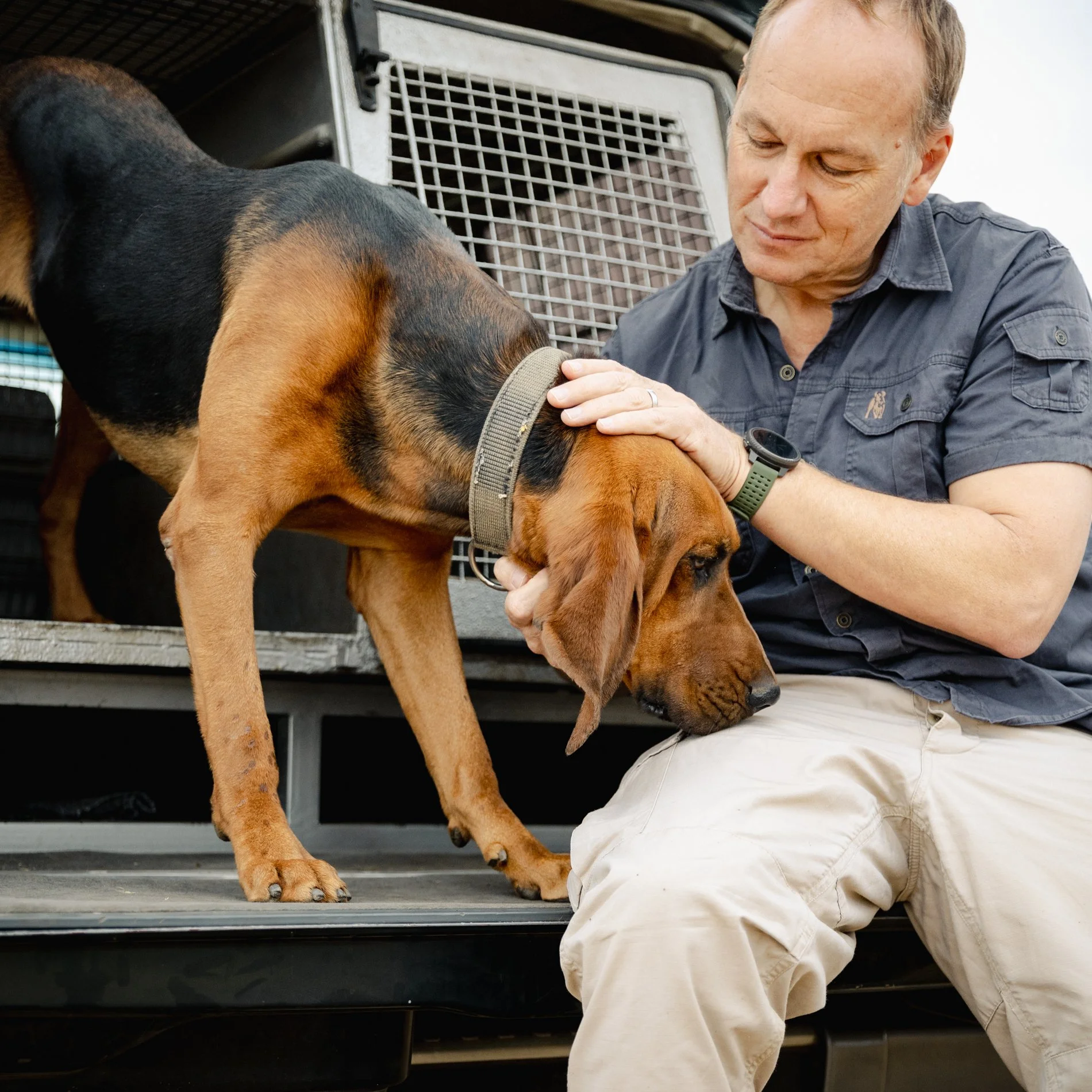
Kuru’s founder and CEO William Powell has spent nearly three decades training working dogs and 25 years living and working in Africa.
His experience began in humanitarian demining, where he trained dogs and handlers to find landmines and explosives in some of the world’s most difficult environments. In 2014, he brought that experience to conservation.
Since then, Will has helped develop conservation dog programs across six African countries. His approach still shapes Kuru today:
Look after the dogs. Look after the people. The work follows.
30 years
training working dogs
25 years
living and working in Africa
6 African countries
where Will has helped develop conservation dog programs
-
Will Powell has nearly three decades of experience training working dogs, beginning with humanitarian demining.
After studying Anthropology at University College London, Will trained landmine-detection dogs and handlers in Rwanda, the Balkans, Cuba, Honduras, Nicaragua, Afghanistan, Azerbaijan, and South Sudan. The work taught him something that still shapes Kuru today: a well-trained dog is only one part of a successful program. The people, welfare, management and long-term support around that dog matter just as much.
In 2014, Will brought that experience to wildlife conservation. Working with conservation organizations and wildlife authorities, he helped design and develop dog programs across six African countries.
For the past 25 years, Will has lived and worked in Africa. That experience — with dogs, handlers, wildlife authorities and the realities of working in difficult environments — is the foundation of Kuru’s approach today.
Long Term Support