A kuru dog’s journey
Identify the Need
1
Select the Dog
2
Foundation Training
3
Specialization
4
Ops Prep
5
Pairing
6
Team Training
7
Deployment
8
Mentoring
9
Support
10
Retirement
11
Once a Kuru Dog, Always a Kuru Dog
Understanding the Need
We visit. We listen. We build around what is actually needed
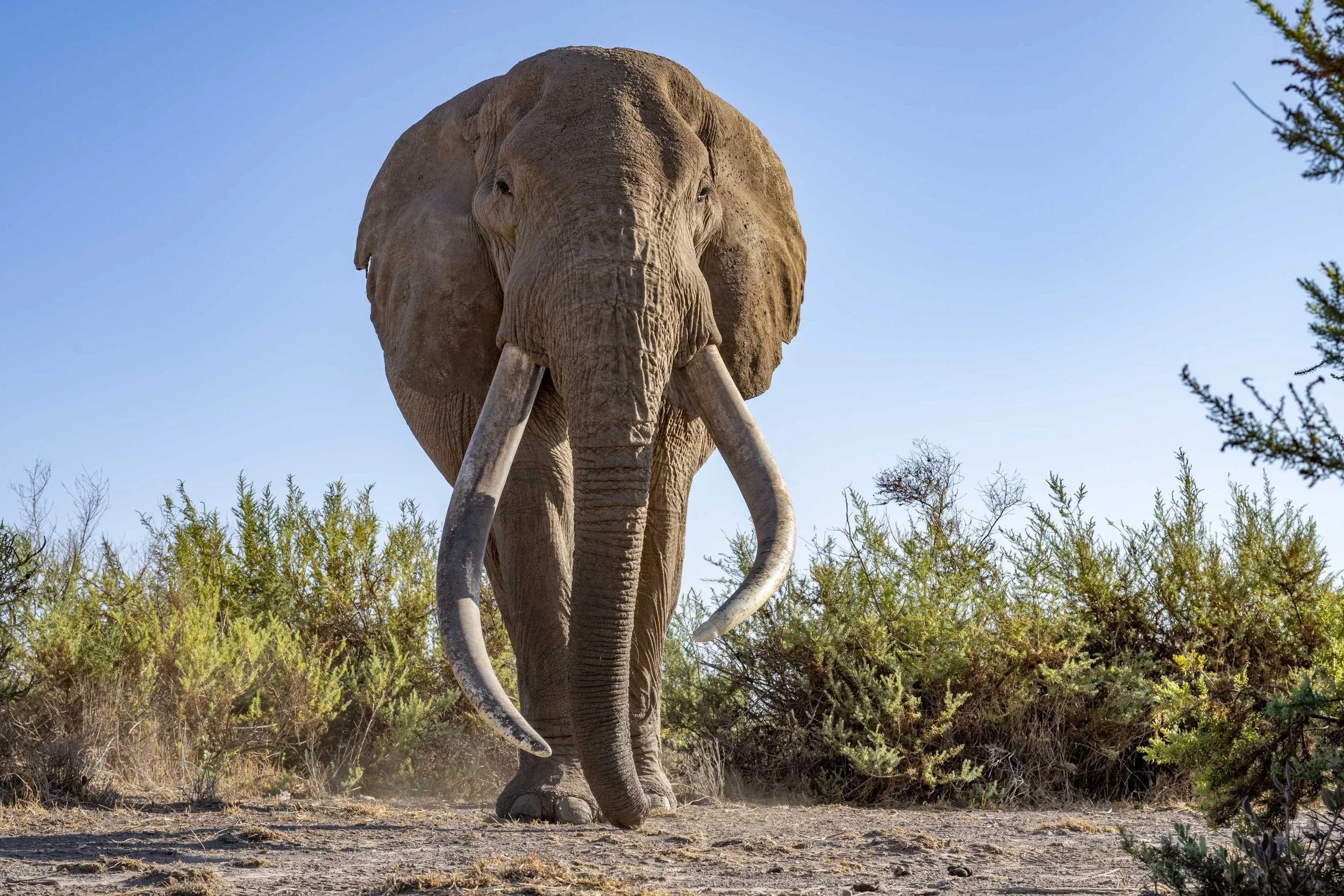
Every site is different. Every landscape presents a different challenge. We start by understanding the conservation need, then build the unit around the people, place, and conditions on the ground.
An airport checkpoint, a national park boundary, and a community bordering a reserve each require different skills and support.
Becoming Kuru
Selecting the Right Dog for the Job
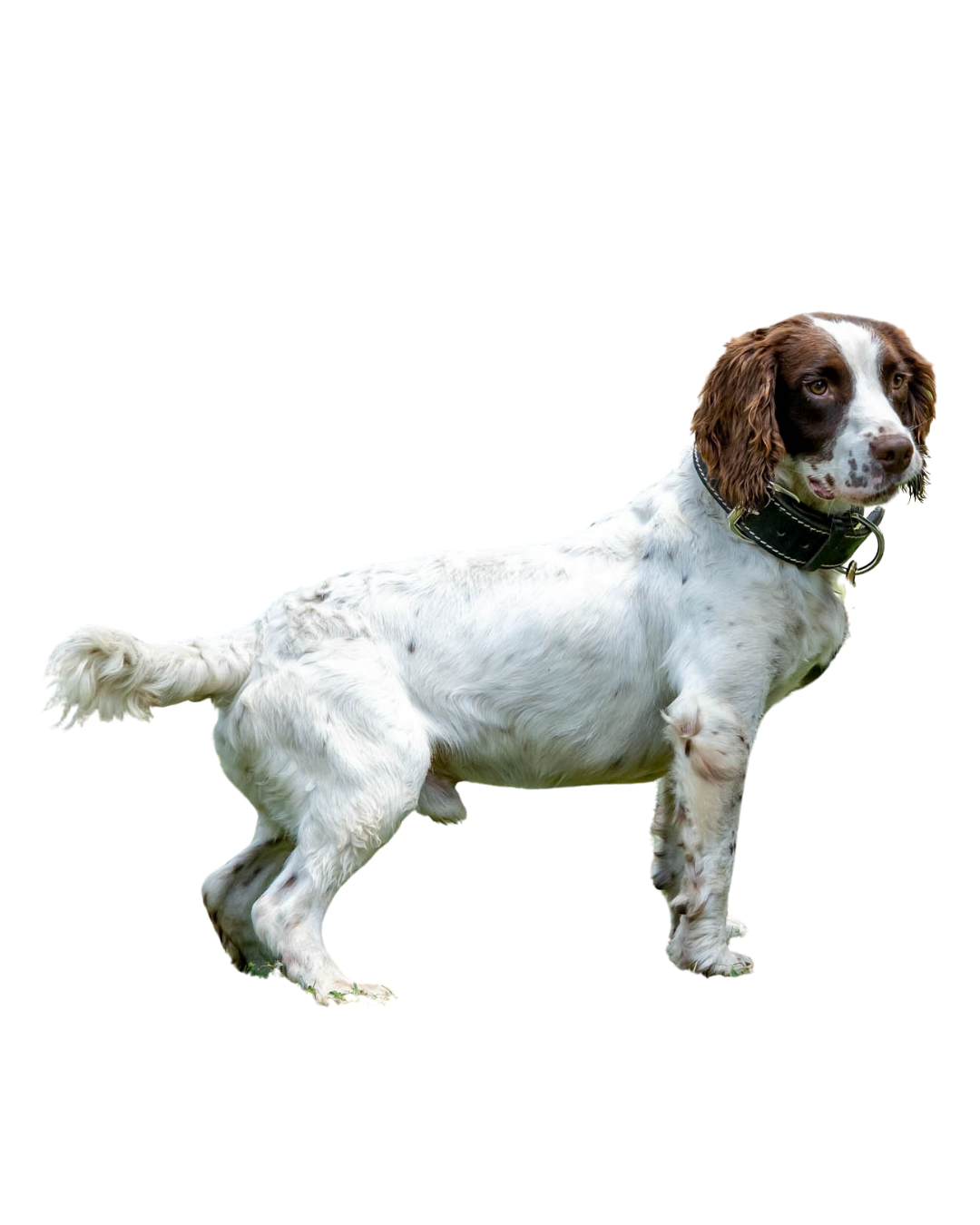
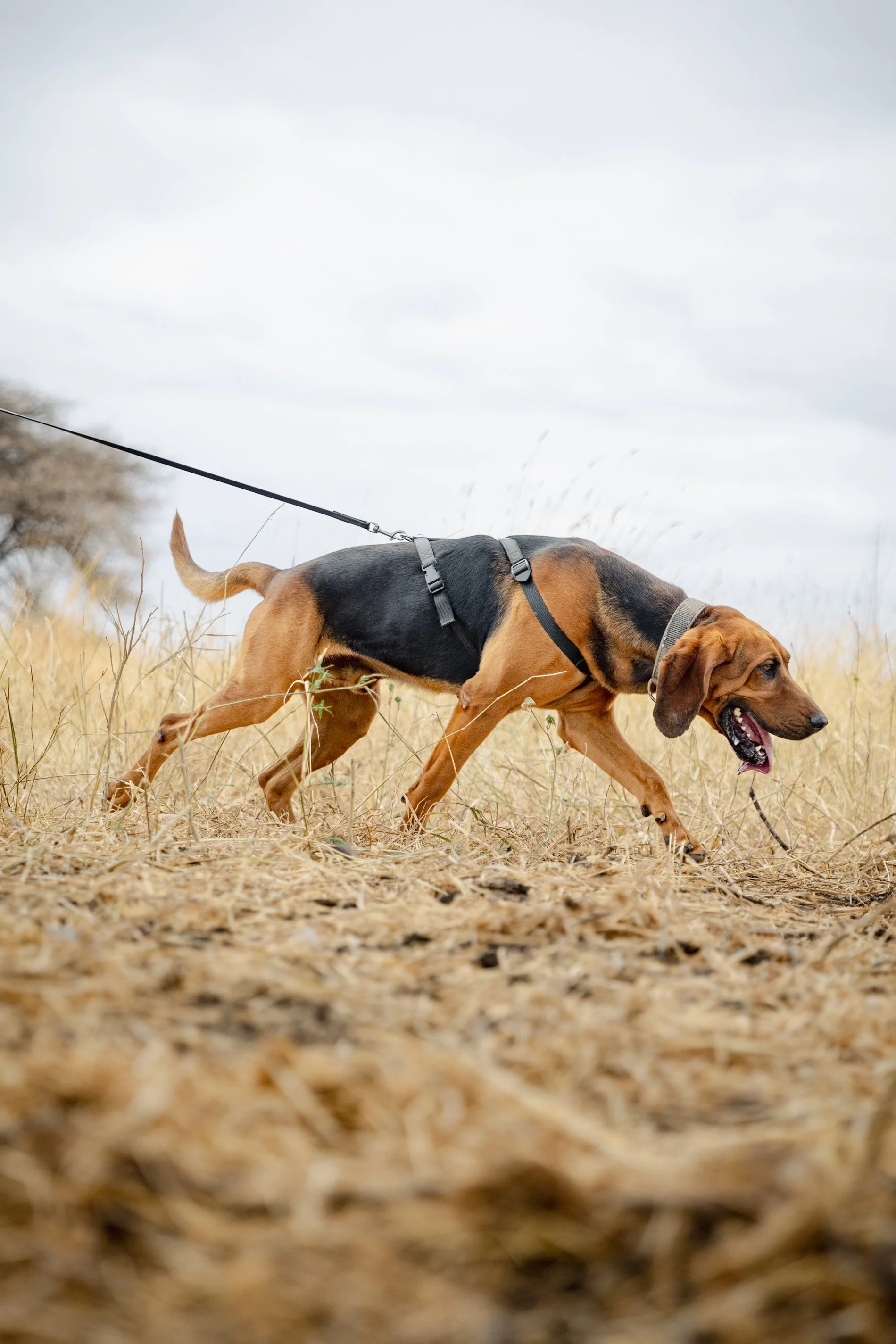
Kuru works with breeds ranging from Belgian Malinois and German Shepherds to pointers, hounds, and crosses selected for particular working abilities. Dogs are individually sourced and selected for the work they may ultimately be asked to do.
Breed alone tells us very little.
We look for a rare combination of intelligence, drive, stamina, confidence, temperament, and an instinctive desire to search — as well as the ability to build a close partnership with a handler.
Only a small proportion of dogs have what this work requires. That is why selection matters.
Training The Dogs
Built for the field
A dog that performs perfectly at the School but cannot work in the real world is not ready.
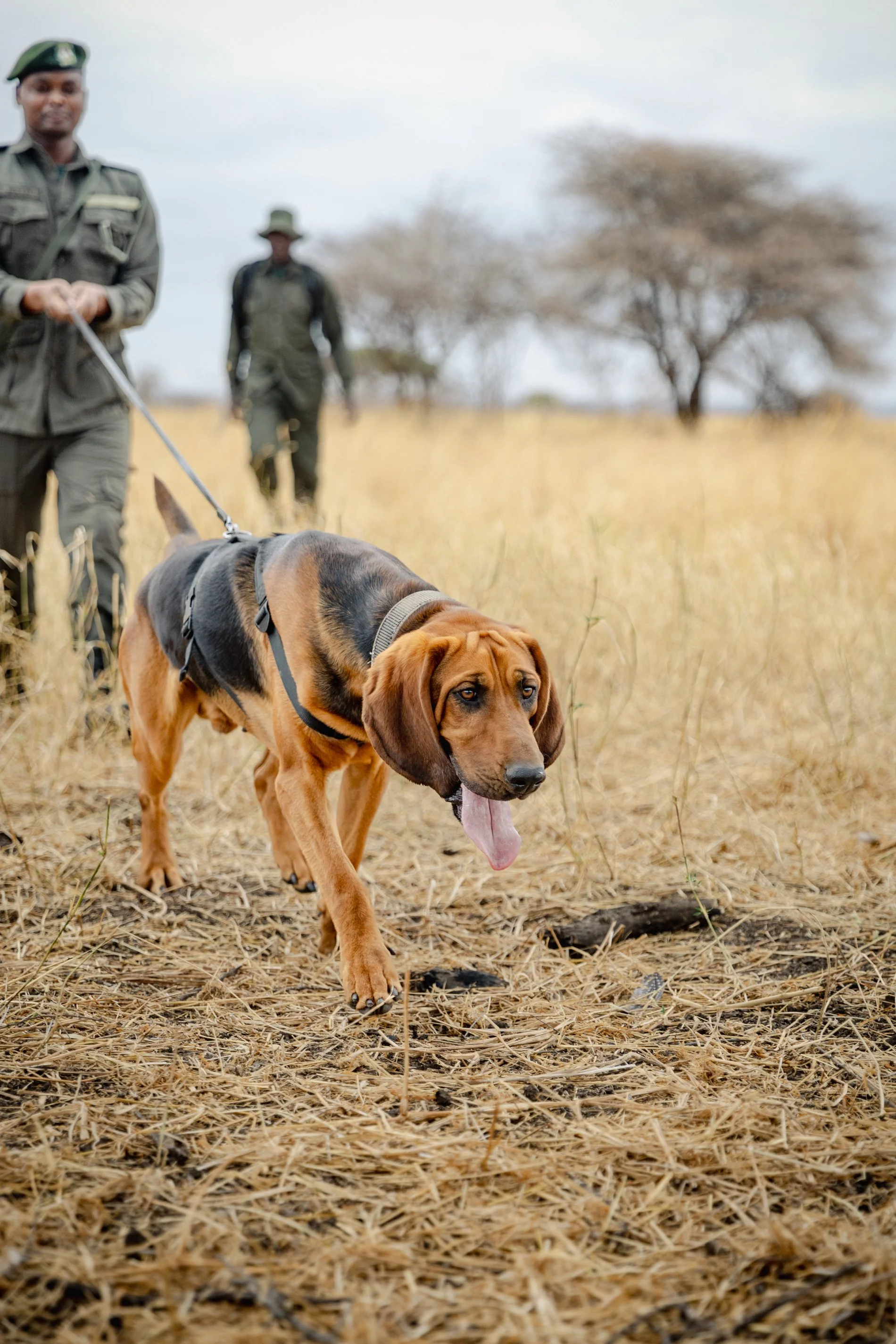
Training is built around motivation and positive reinforcement, preparing dogs for the conditions they will actually face: heat, wildlife, vehicles, noise, and remote terrain.
Over 8 to 12 weeks, dog and handler develop the skills, confidence, and communication they need to work reliably together in the field.
The goal is not simply obedience. It is to use the dog’s natural intelligence and ability, while teaching the handler to understand what the dog is communicating.
Finding a Match
Selecting the right people
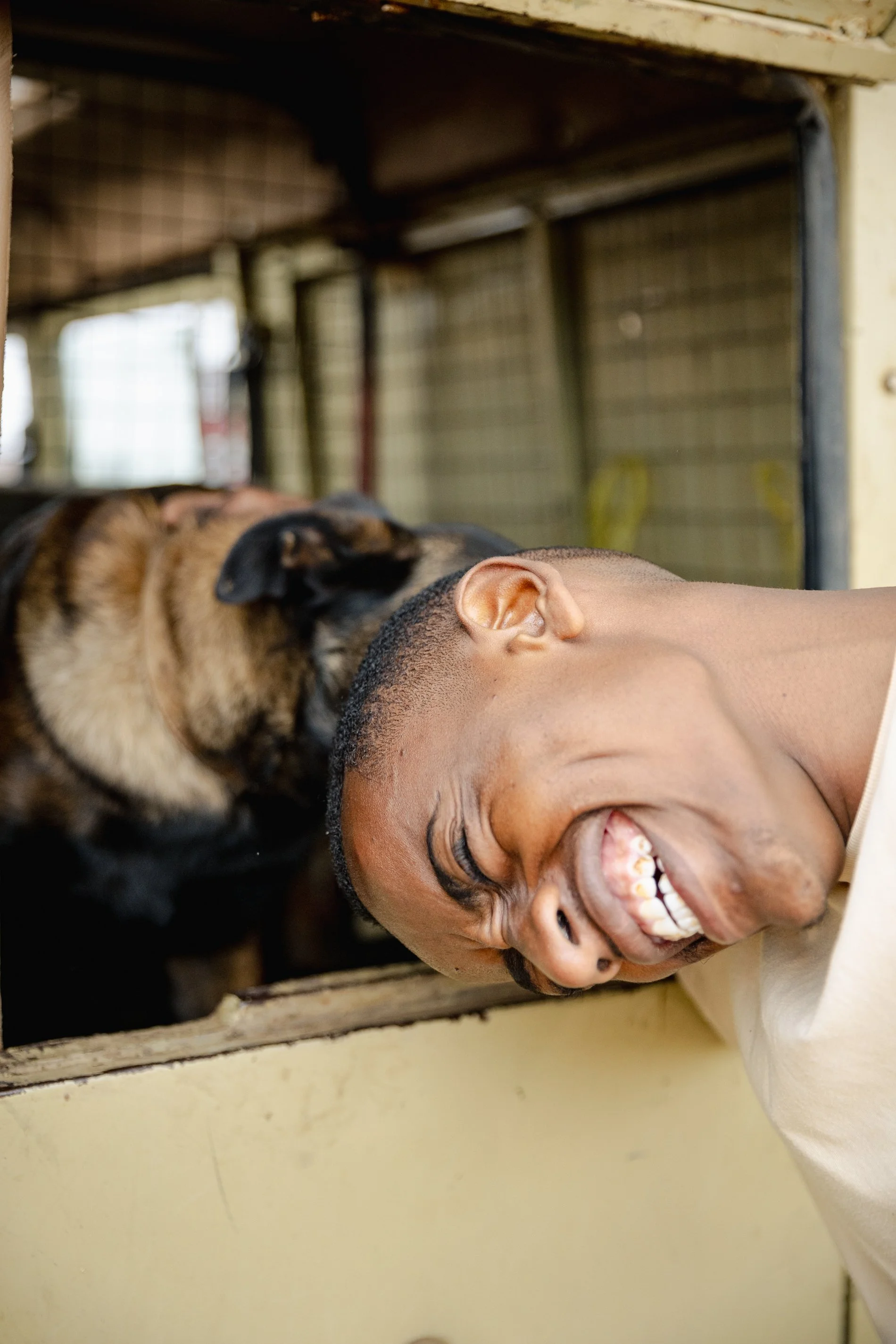
A remarkable dog still needs the right person beside it.
We look for handlers with patience, judgment, kindness, and commitment. Some are recruited by Kuru; others are officers selected by the wildlife authorities we work with.
Experience with dogs can help, but it is not everything. Kuru helps rangers become skilled dog handlers — learning to read the dog, communicate with it, care for it, and build the relationship the work depends on.
Training The Team
Developing handlers, managers, and supervisors
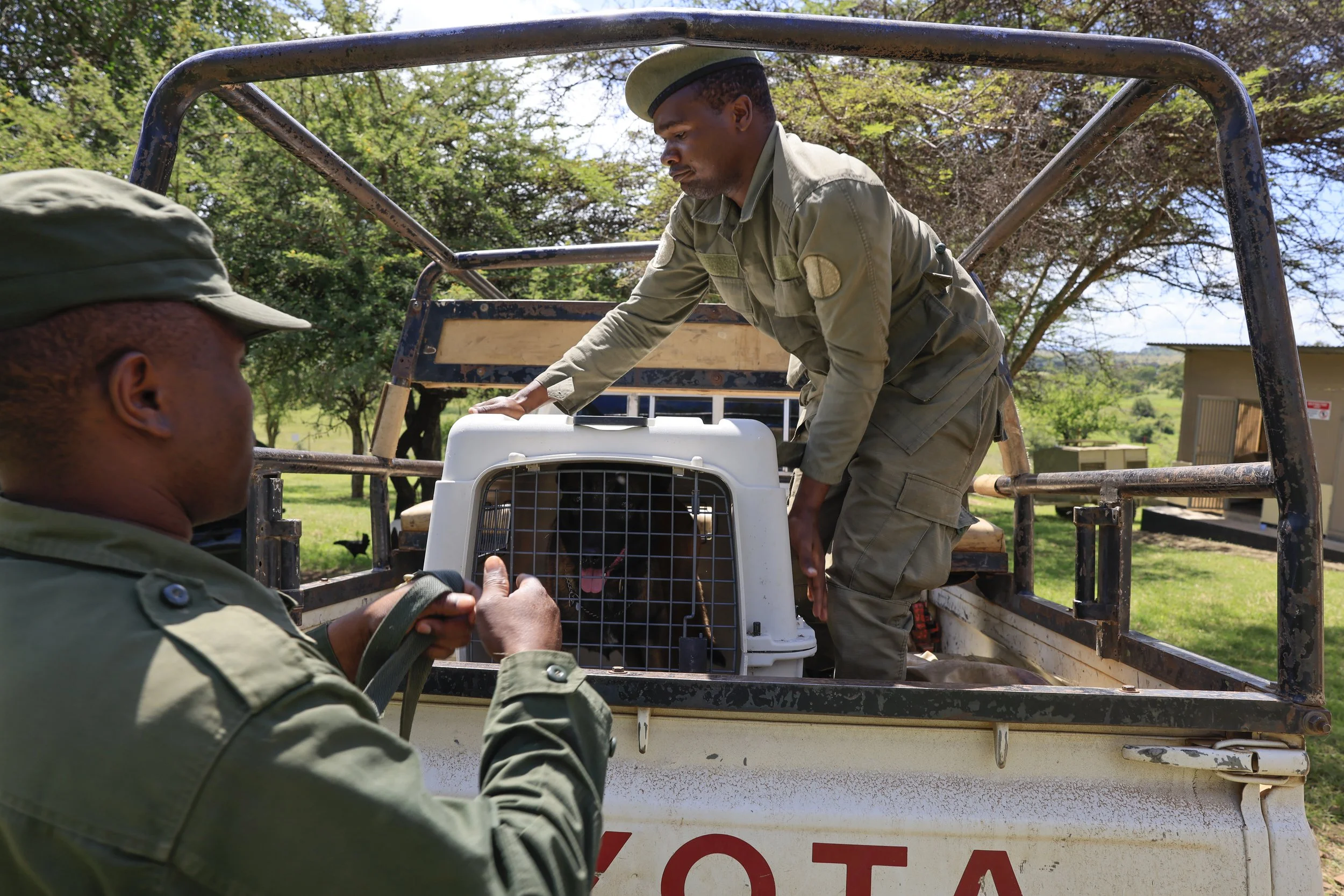
A dog and handler need to work closely together — but they are part of a larger unit, and the people in that unit matter too.
Kuru trains handlers and rangers in practical field skills, while helping supervisors build the management, welfare and reporting systems that keep a unit working. We treat the people we work with as partners, investing in practical skills and creating the conditions in which both people and dogs can do their best work.
Our support continues after the initial training through refresher courses, field visits, mentoring, and regular welfare checks.
Kuru’s in-house welfare app helps teams monitor each dog’s health, condition, and care over time.
Success is measured in years, not weeks.
After Deployment
Longterm Support
Kuru does not train and walk away.
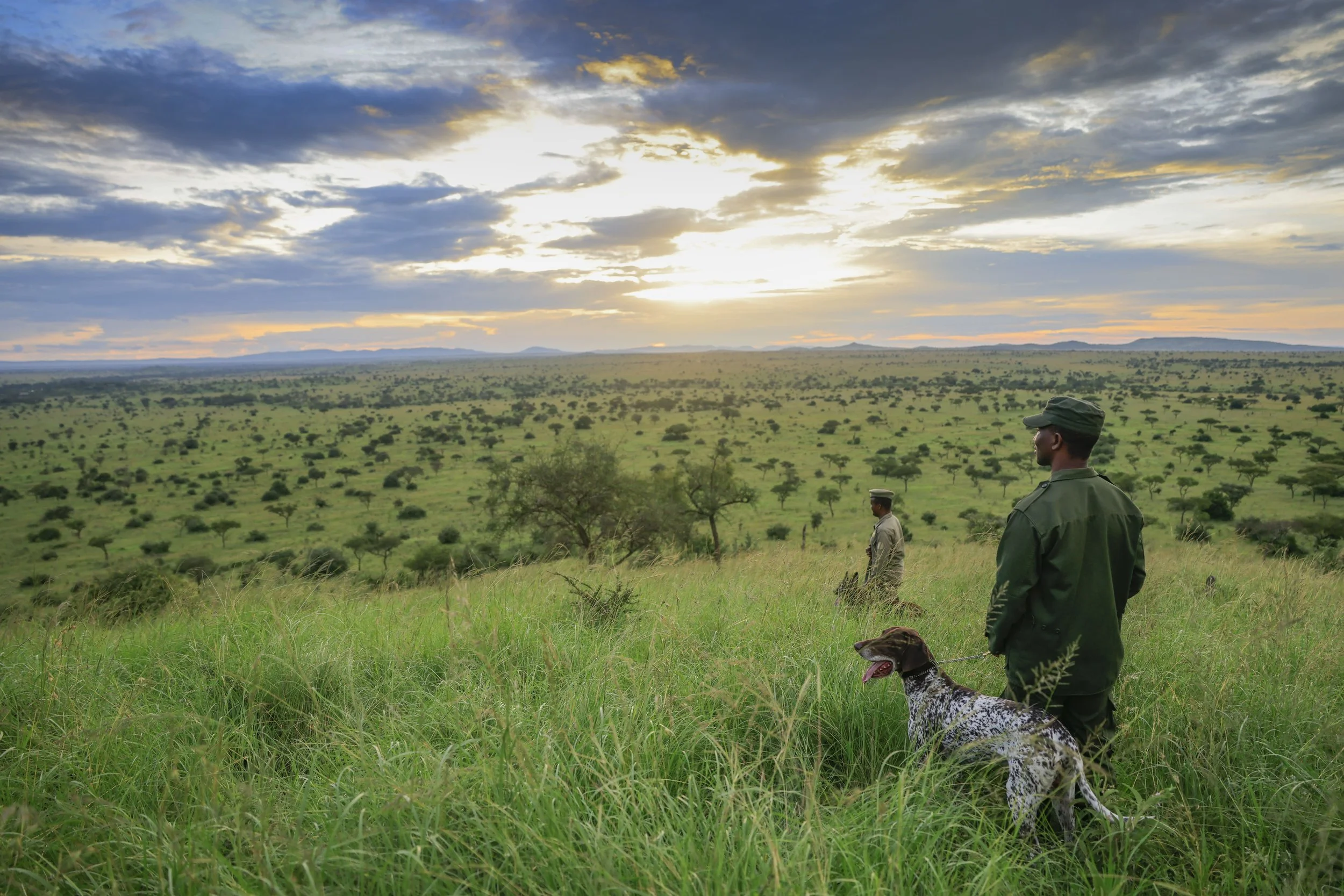
Upon deployment, Kuru handlers work alongside the new dog units to help get them properly established. Handlers and rangers also have access to Kuru’s in-house welfare app, which helps keep track of the health and well-being of every dog.
As the unit becomes established, Kuru continues to provide mentoring, veterinary support, and refresher training for both dogs and handlers. Kuru remains responsible for the welfare of the dogs throughout their lives, including making sure they are properly cared for when they retire.
Our Partners


Sharing What We Know
Sharing what we know
The goal is not to keep what we know to ourselves.
Kuru shares practical training, experience, and lessons learned through collaboration and consultation with wildlife authorities, conservation partners, and other working-dog programs.
If better handling, welfare, and management can help another program protect wildlife more effectively, we want that knowledge to travel.