Kenya
Where the fight against snares is just getting started.
Every six to eight weeks, something got through.
Ivory. Rhino horn. Moving quietly through Mozambique's airports, hidden in cargo and luggage, one step ahead of the people trying to stop it, until the dogs arrived.
Becoming Kenya
What The Teams Do
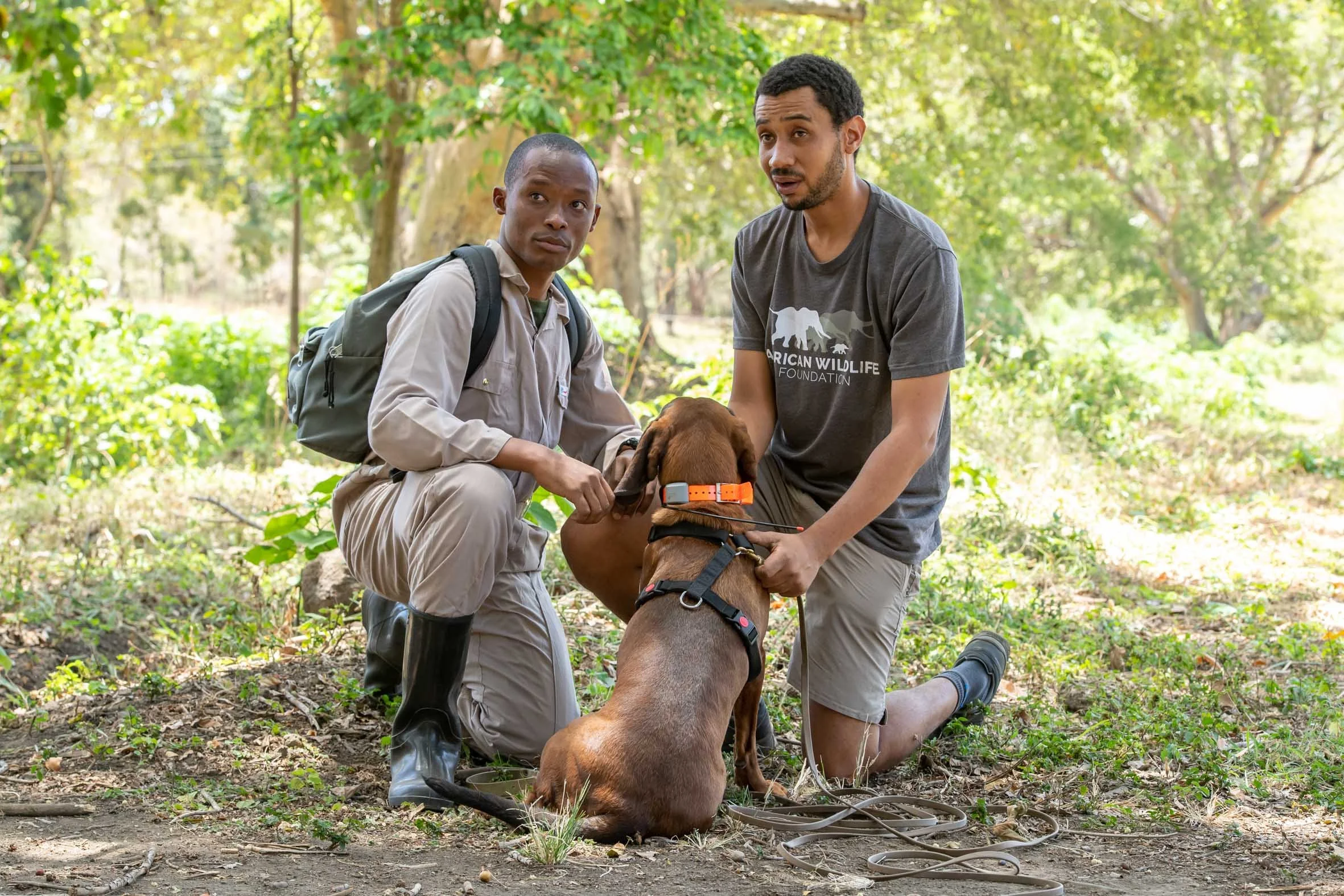
KURU-trained detection teams work the country's busiest checkpoints: the airports at Maputo, Beira, Pemba and Nacala, screening baggage, cargo and passengers for ivory, rhino horn and other wildlife contraband before it ever leaves the ground. Further inland, a tracking unit works the Limpopo, following trails no human patrol could pick up.
In Development
Impact
This programme is still growing. As teams expand across these three sites, we'll share the results from the field.