Mozambique
Home to KURU's busiest checkpoints — and the place where the smuggling stopped.
Every six to eight weeks, something got through.
Ivory. Rhino horn. Moving quietly through Mozambique's airports, hidden in cargo and luggage, one step ahead of the people trying to stop it, until the dogs arrived.
Becoming Kuru
Where They Work
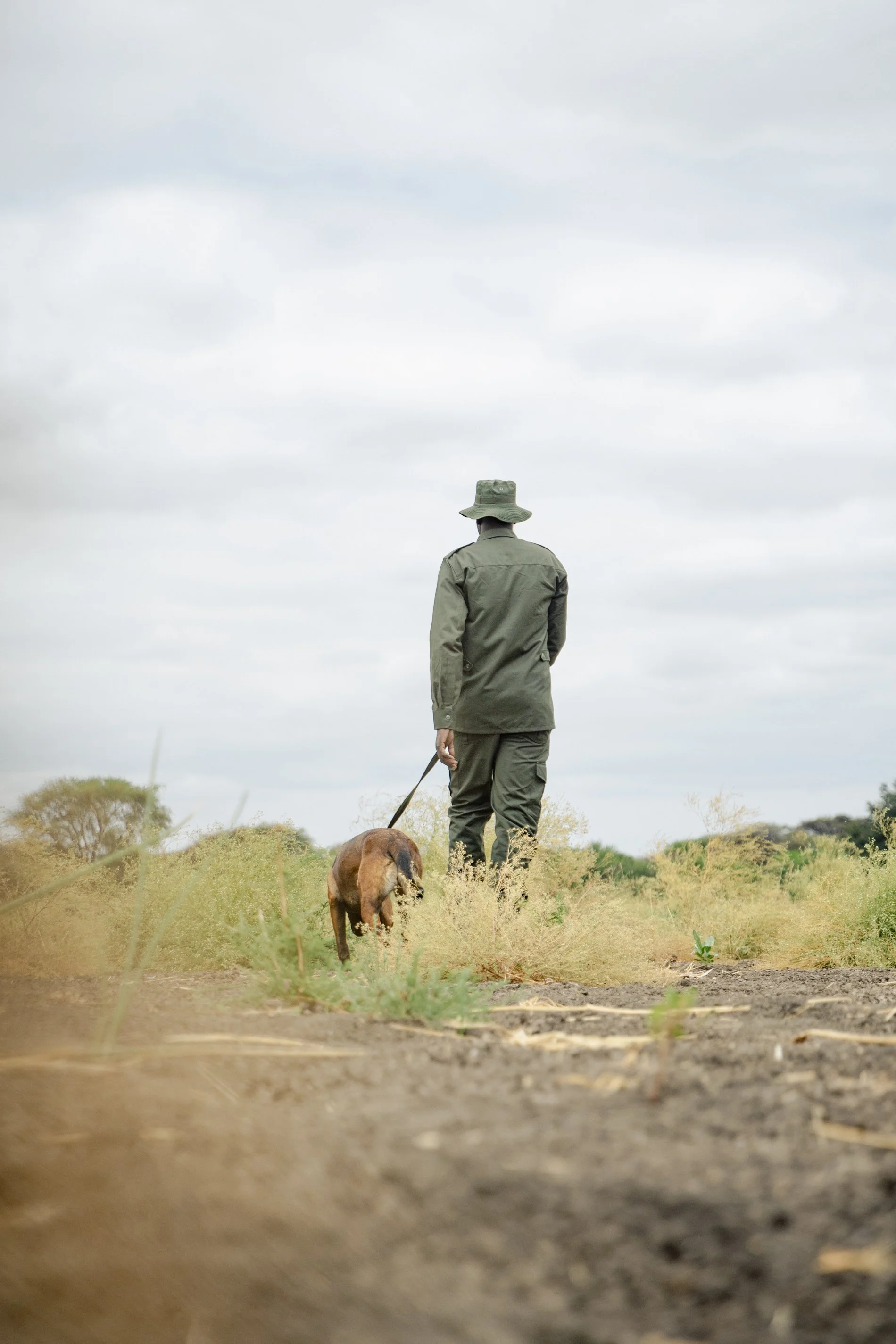
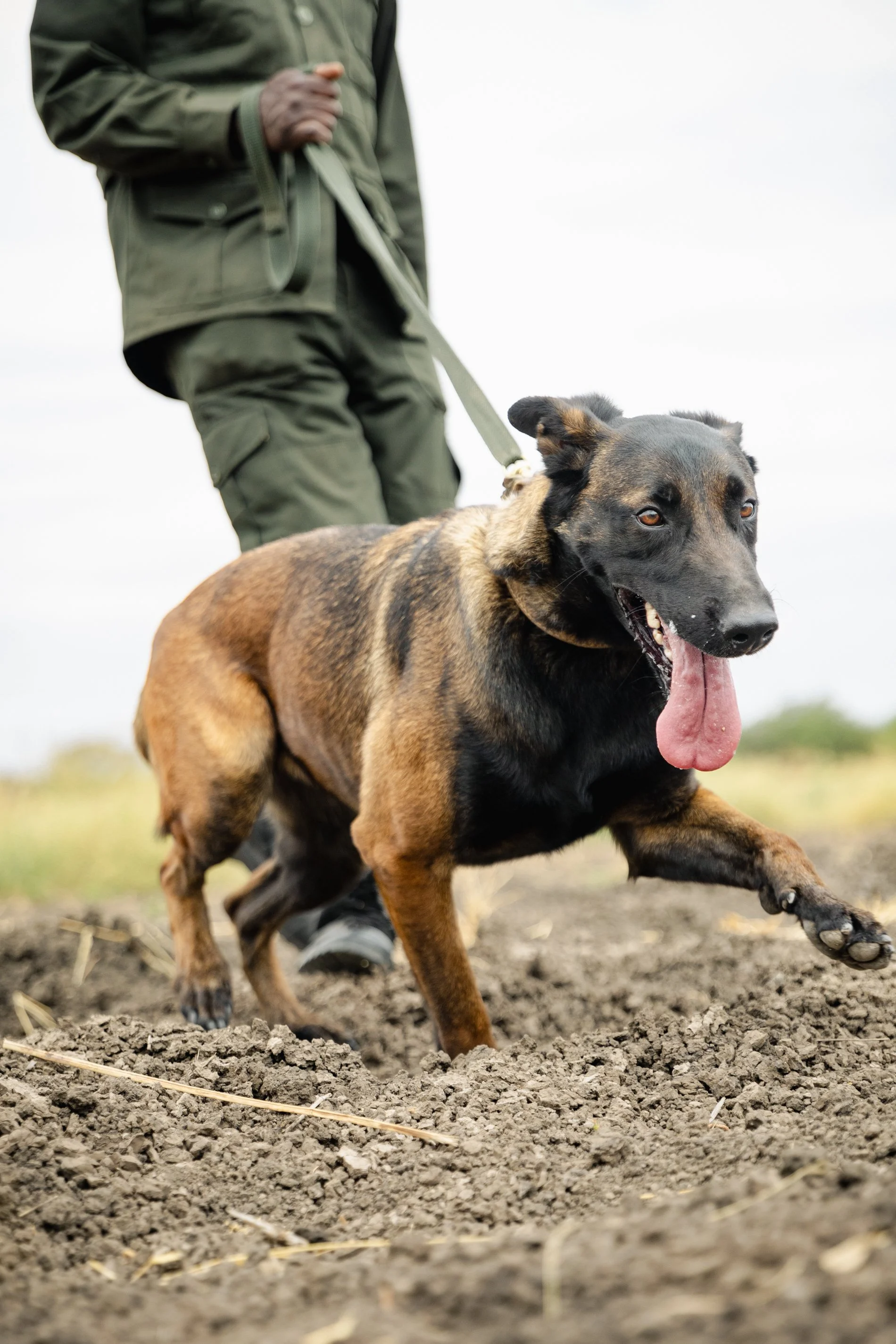
KURU-trained detection teams work the country's busiest checkpoints: the airports at Maputo, Beira, Pemba and Nacala, screening baggage, cargo and passengers for ivory, rhino horn and other wildlife contraband before it ever leaves the ground. Further inland, a tracking unit works the Limpopo, following trails no human patrol could pick up.
Beyond Wildlife
The Turnaround
Before KURU-trained dogs began working Mozambique's airports, ivory and rhino horn were being intercepted every six to eight weeks — a steady, predictable bleed of trafficked wildlife.
Since the dogs started at Maputo and the other key checkpoints, that flow has stopped.
Not slowed. Stopped.